Input
Floor area and ceiling height
Volume counts. A vaulted living room holds more air than the square footage on the listing suggests.
A Manual J says how big your next air conditioner should be, worked out from your house. I do the calculation and write it up, and the report is yours to show every contractor who bids the job.
Room by room, how much heat your house takes on in the hottest hour and loses in the coldest.
Manual J is the method ACCA publishes for sizing a system to a house. It adds up the heat coming in through the walls, roof, glass and gaps on a design day, and the answer comes out in BTU per hour, then in tons. That number is the size the house needs. These are the inputs:
Volume counts. A vaulted living room holds more air than the square footage on the listing suggests.
A wall of west windows takes the full afternoon sun in July. The same glass facing north barely registers.
Single pane or low-e, an overhang or none, a mesquite in front of it or bare gravel.
What is actually there, written on the report so you can check it.
In the attic or inside the cooled part of the house. Attic ducts add a penalty to the load, covered in finding 2.3.
Outside air getting in around doors, windows, can lights and the attic hatch.
Each person adds heat, and the method counts them.
Two online calculators disagree about Tucson's summer design temperature, one saying 104 F and the other 108 F. The report uses the published ACCA and ASHRAE figures and names them.
Two companion documents follow from it. Manual S picks equipment that meets the load, and Manual D sizes the ducts to carry the air.
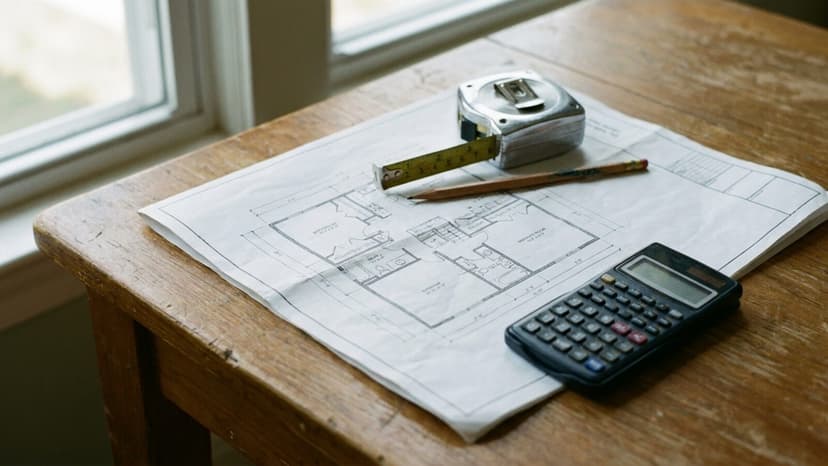
Most quotes size a system this way. The rule ignores which way the house faces, how much glass it has and how well the attic is insulated, and in Tucson it tends to land on a bigger unit than the house needs.
A cooling system can be at most 15 percent bigger than the calculated load. A rule-of-thumb size often lands well past that.
Arizona attics reach 140 to 155 F in summer, and ducts running through that heat add 15 to 25 percent to the load. The calculation only counts it if someone climbs up and looks where the ducts go.
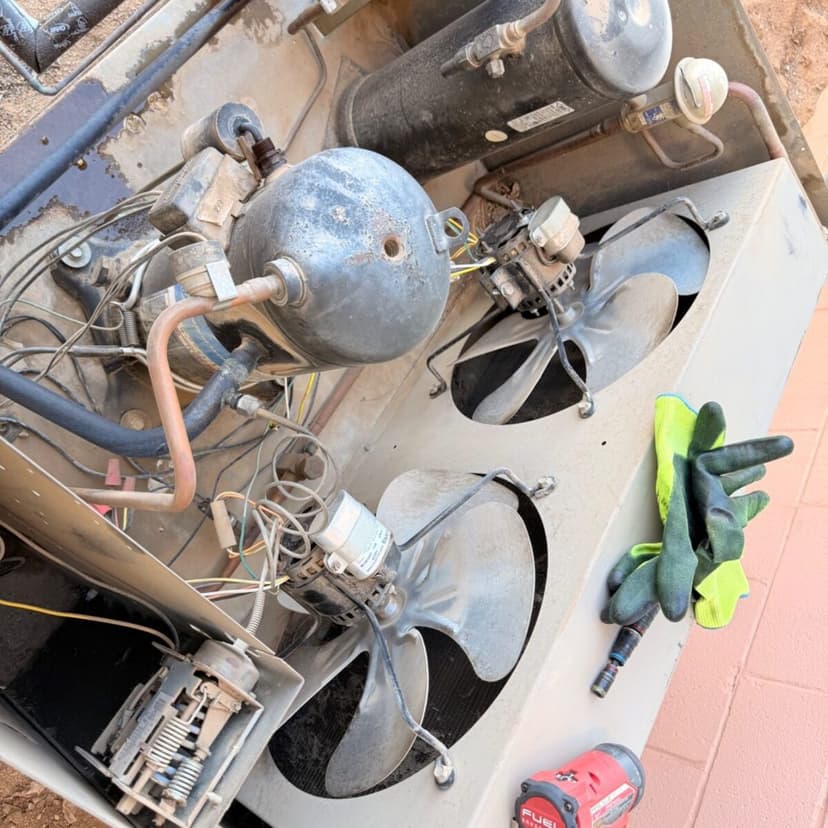
An oversized unit cools the room to the thermostat setting and shuts off before it has run long enough to pull water out of the air. From June 15 to September 30, monsoon season, that leaves a house cool and clammy. Every extra start also wears the contactor and the capacitor, the parts behind 11 and 50 of the 100 Tucson repair calls in Rite Way's June 2026 audit.
Brenergy Solutions' 2026 pricing guide warns that a "load calculation" quoted under $75 to $100 is usually rule-of-thumb sizing with a name on it.
Pima County's permit application for an air conditioning replacement asks for the Manual J, Manual S and Manual D calculations, attached as a PDF. If the quote you're holding never mentions a Manual J, ask the contractor how the permit will be filed.
Tucson Electric Power's 2026 quality-install rebate form has a box for "Manual J load or equivalent completed", so a replacement that qualifies for a rebate needs the calculation as well.
A PDF you keep, listing:
Hand it to any contractor bidding the job and compare their equipment against the same number.
A flat price, agreed before the visit.
A full system replacement in Tucson usually runs $9,000 to $16,500. The Arizona Attorney General's advice on AC work is to get two or three bids on a large job and to confirm the unit size and efficiency across them. A Manual J gives every bid the same number to answer to, so you compare sizes before you compare brands.
If a home sale inspection finds a system that is oversized or short cycling, ask for the calculation before anyone quotes a new unit.
It is the ACCA method for working out how much heat your house gains in the hottest hour and loses in the coldest, room by room. The answer, in BTU per hour and then tons, is the size of system the house needs.
The county's permit application for an air conditioning replacement asks for the Manual J, Manual S and Manual D calculations as a PDF.
It runs in short bursts. Every start wears the contactor and the capacitor, the bursts are too short to dry the air during monsoon, and the extra starts show up on the electric bill.
$150 to $300, as a flat price agreed before the visit.
It is yours to hand to anyone, and that is the reason to have it: every bid can be held against the same load.
Call 520-820-5422, or send your name, number, address and what the system is doing, and I'll come back to you with a time.